Orthodontics is one of the best known and most sought-after specialities in dentistry, but it is also one of the most technical. Behind every perfectly aligned smile is a complex clinical process that combines diagnosis, planning, biomechanics and the use of a wide range of specific materials.
To achieve accurate and long-lasting results, orthodontists need to have the right instruments and materials for each phase of treatment, from the initial assessment to the retention phase. In this comprehensive guide, we will explain everything you need to know about orthodontic treatment, reviewing the essential products and tools most commonly used in clinics. If you would like to learn more about each product subcategory, here you can find all our articles on orthodontics.
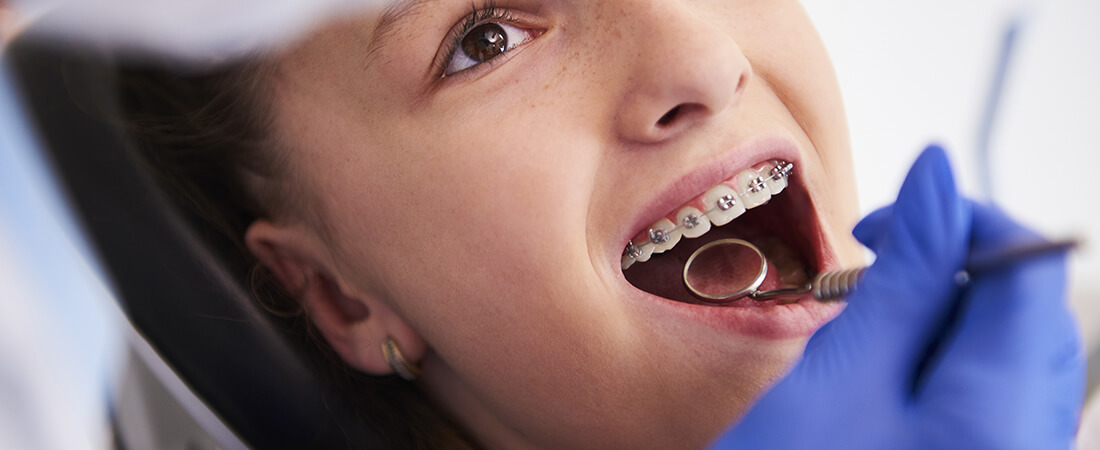
What is orthodontic treatment and what are its phases?
Orthodontic treatment is a dental procedure that aims to correct the position of the teeth and bite abnormalities, improving both the aesthetics and function of the masticatory system. It is not just a matter of aligning the teeth, but also of balancing the relationship between the upper and lower jaws, optimising periodontal health and preventing wear and tear or joint problems.
Orthodontic treatments can be carried out using fixed appliances (such as braces and arches) or removable appliances (such as aligners or functional plates), and their duration depends on the clinical case, the patient's age and the complexity of the dental movement.
Phases of orthodontic treatment
Although each treatment is planned individually, in general the following main phases can be distinguished. Understanding these phases allows not only for better planning of each procedure, but also for identifying the materials needed at each stage, ensuring effective and safe treatment for the patient.
- Diagnosis and planning: In this first stage, the patient's oral health is assessed through clinical examination, X-rays, study models and photographs. Based on this information, a detailed treatment plan is drawn up.
- Alignment and levelling phase: Braces are fitted or the initial aligners are delivered in order to correct rotations, crowding or discrepancies between teeth.
- Space closure and occlusal correction phase: Once the teeth are aligned, the spaces, midline and bite are adjusted using elastics, larger arches or micro-anchor screws.
- Completion phase: Occlusal and aesthetic details are perfected, ensuring a correct intermaxillary relationship.
- Retention phase: This is essential to maintain the results obtained. Fixed or removable retainers are used to stabilise the teeth in their new position while the tissues adapt.
Materials and instruments required in orthodontics
Orthodontics is a highly technical discipline that requires a wide range of materials, devices and specialised instruments. From basic diagnostic elements to the most advanced alignment and retention systems, each component plays an essential role in treatment. Having a complete, high-quality supply not only facilitates the professional's work, but also improves clinical precision and patient comfort.
Take a look at the best-selling orthodontic materials:
See all orthodontic materials!
Below, we review the main materials and equipment used in each phase of orthodontic treatment.
Materials used for diagnosis and planning
In this phase, all of the patient's clinical information is collected in order to design the most appropriate treatment plan. The most commonly used materials and equipment are:
- Positioners and mouth separators: facilitate visibility and access.
- Intraoral impressions and scanners: using silicone or alginate to obtain study models, or digital scanners for digital orthodontics.
- Bite waxes and articulators: to record occlusion.
- X-rays: both panoramic and cephalometric, essential for evaluating bone, roots and anatomical structures.
- Diagnostic software: allows cephalometric analysis and planning of tooth movements.
Materials used in the alignment phase
Fixed orthodontic appliances
Fixed appliances are the most traditional and continue to be the most widely used in most cases. Among the most important materials are:
- Brackets: these can be metal, ceramic or sapphire. They are attached to the tooth surface using a specific adhesive and guide the movement of the teeth through the arches.
- Orthodontic arches: made of stainless steel, nickel-titanium (NiTi) or beta-titanium. They are inserted into the brackets and are responsible for exerting mechanical force on the teeth.
- Ligatures: elastic or metal, they hold the arch to the bracket.
- Molar bands and tubes: ensure the stability of the system in molars and serve as anchors for other accessories.
- Orthodontic cements and adhesives: designed to securely attach brackets and bands.
- Essential instruments: distal cutting pliers, Weingart forceps, ligature applicators, probes and mirrors; spatulas for adhesives and light-curing lamps in the case of resin systems.
Removable appliances and aligners
Removable appliances continue to play an important role in interceptive or maintenance orthodontics, while clear aligners are the stars of aesthetic and digital treatments. The most commonly used materials are:
- Thermoplastic sheets for thermoforming aligners or retainers (made of PETG, polycarbonate or polypropylene).
- Trimmers, scissors and polishers for adjusting the edge of the aligner.
- Storage boxes for aligners or removable appliances.
- Acrylics and resins for orthodontic plates (such as expansion or retention plates).
Accessories and auxiliary elements
During the space closure, occlusal correction and finishing phases, various accessories are used to facilitate control of dental biomechanics:
- Intermaxillary elastics: correct anterior-posterior discrepancies and improve occlusion.
- Springs (opening or closing): apply gentle forces to move teeth.
- Buttons and hooks: attach to the tooth or bracket to hold elastics in place.
- Elastic chains: for closing spaces and alignment.
- Mini-implants or micro-screws: act as temporary anchors for complex movements.
Retention phase
Retention is as important as active treatment, as it prevents relapses or unwanted movements once the braces have been removed. Retention materials and devices:
- Fixed retainers: braided or fibre wires attached to the lingual surface.
- Removable retainers: Hawley or Essix type (thermoformed).
- Retention adhesives: specifically designed to attach the wire to the tooth surface.
- Cements for repair and final polishing.
Maintenance and treatment monitoring
In addition to the orthodontist's own materials, patient care is essential. Proper maintenance not only improves your experience, but also contributes to the ultimate success of the treatment. Products that help maintain good hygiene during treatment should be recommended:
- Interproximal and orthodontic brushes.
- Oral irrigators.
- Orthodontic waxes to relieve rubbing.
- Fluoride rinses to prevent demineralisation.

Orthodontic treatment represents a combination of science and precision. Its success depends not only on the appliances used, but also on correct diagnosis, detailed planning and rigorous monitoring during all phases of the process. Each element, from brackets and arches to retention systems, fulfils a specific function that contributes to controlled tooth movement and stable results.
The evolution of orthodontics in recent years has made it possible to offer increasingly comfortable, aesthetic and personalised treatments. The incorporation of new technologies, such as digital scanning and clear aligners, has expanded the therapeutic possibilities, facilitating greater precision and a better experience for the patient.
In short, having in-depth knowledge of the materials and instruments used in orthodontics is essential for any professional who wants to optimise their treatments. The correct selection, use and maintenance of each of them not only guarantees clinical effectiveness, but also the durability of the results and patient satisfaction.
That's all for today's article! We hope you found it helpful, and if you liked it, please feel free to share it. Follow us on social media to stay up to date with all the latest news from the dental sector and our special offers. See you soon!