In the field of dentistry, the dental laboratory is a fundamental pillar for ensuring the success of treatments and patient satisfaction. Although it often goes unnoticed, this technical space is where the solutions that transform people's oral health are realized. From the fabrication of prostheses to the design of custom splints and appliances, the dental laboratory plays a vital role in the dental value chain. However, for this environment to optimally fulfill its objectives, it is essential that it be equipped with the appropriate furniture.
The furniture of a dental laboratory not only determines the organization of the space but also impacts the quality of the work performed, the efficiency of the team, and the safety of the procedures. Every table, cabinet, chair, or lighting system plays a key role in the daily workflow. It's not just about choosing functional pieces, but about creating an environment that fosters productivity, ergonomics, and compliance with the highest hygiene and safety standards. Having well-designed furniture is not a luxury, but a necessity. A poorly organized dental laboratory can lead to process delays, errors in device manufacturing, and, in the worst-case scenario, compromise the quality of the treatment the patient receives. Conversely, a well-equipped and intelligently designed laboratory becomes an efficient, safe, and comfortable space where every member of the technical team can perform their work at the highest level.
In this guide, we'll explore all aspects of essential dental laboratory furniture. We'll analyze why having the right furniture is so important, what the essential elements are, and how to design a functional space that combines practicality, innovation, and regulatory compliance. We'll also provide advice on materials, space planning, and current trends that can make a significant difference in your laboratory's productivity. Therefore, if you're thinking about designing, renovating, or improving your dental laboratory, this will be your essential resource for making informed decisions and creating a space that meets the needs of your team and your patients. Let's get started!
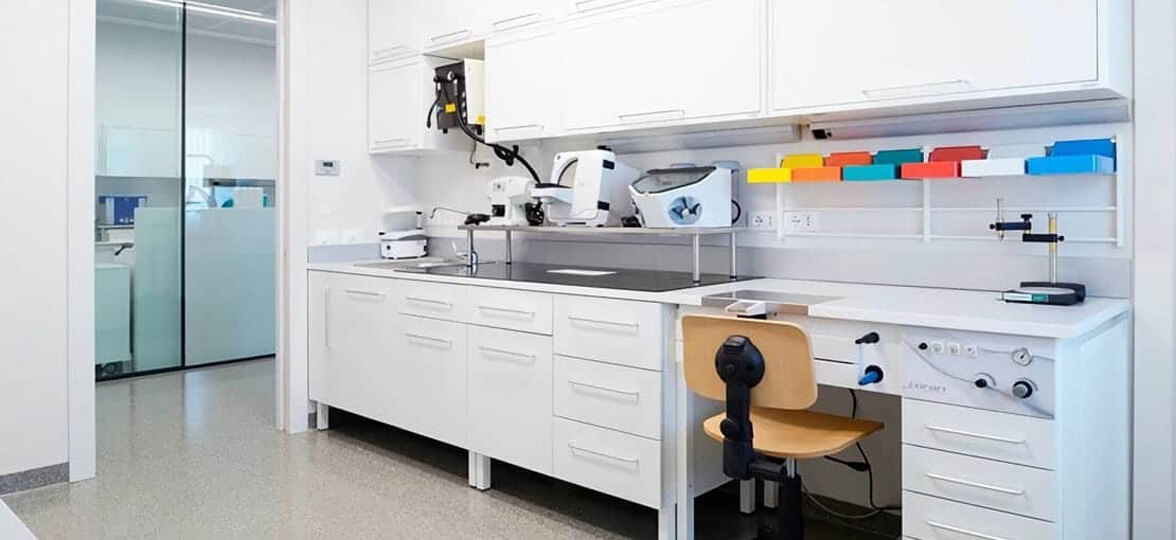
Importance of furniture in the dental laboratory
The furniture in a dental laboratory is not only a functional element, but also plays a strategic role in the quality of work and the efficiency of processes. This environment is designed to be a technical space where high-precision tasks are carried out; therefore, the furniture is not a luxury or an accessory, but a key tool to ensure that the laboratory operates in an organized, safe, and productive manner. Below, we will analyze in depth the function of the furniture in this context and why its selection and design are aspects that should not be taken lightly.
What is a dental laboratory?
A dental laboratory is a technical space dedicated to the creation, adjustment, and repair of custom dental devices that dentists use in their treatments. This space is essential to guarantee solutions tailored to patients' needs, as it is where pieces such as removable dentures, ceramic crowns, occlusal splints, or even clear aligners are made.
The level of precision required is extremely high, as each piece must fit perfectly to the patient's oral structure.Dental laboratories can operate as internal departments within dental clinics or as independent units that collaborate with various professionals in the field. In either case, the space design and the chosen furniture have a direct impact on the laboratory's ability to meet the quality, hygiene, and efficiency standards required in the industry.
Why is good furniture essential?
The right furniture in a dental laboratory influences several critical aspects of the space's functionality:
- Space optimization: Especially in small laboratories, where every centimeter counts, well-designed furniture helps to make the most of the available area, avoiding a feeling of overcrowding and allowing for a smoother workflow.
- Improved Productivity: When tools, materials, and equipment are organized and accessible, the time spent searching for items is significantly reduced, increasing the efficiency of daily operations.
- Ergonomics and Well-being: Dental technicians spend long hours performing repetitive and meticulous tasks. Furniture designed with ergonomic principles, such as adjustable tables and chairs, minimizes the risk of injury and improves comfort during the workday.
- Regulatory Compliance: In the dental sector, hygiene and safety are paramount. Furniture made from easy-to-clean and chemical-resistant materials facilitates compliance with current regulations and reduces the risk of cross-contamination.
- Accuracy and Quality of Work: A well-equipped and organized environment reduces errors in technical tasks and ensures consistent results in the fabrication of dental devices.
For all these reasons, furniture should be selected not only for its functionality, but also for its ability to enhance productivity, staff well-being, and the quality of work performed in the dental laboratory.
Essential Elements of Dental Laboratory Furniture
The furniture in a dental laboratory must meet the specific needs of this environment. It's not just about placing tables and cabinets, but about ensuring that each piece has a clear function and adds value to daily work.
Specialized Work Tables
Workbenches are the heart of any dental laboratory, as they are where the most important tasks are performed, such as the fabrication and fitting of prostheses. These benches must meet several requirements to ensure that technicians can work comfortably and without interruption.
An ideal bench should have a durable surface capable of withstanding impacts, chemicals, and high temperatures—common characteristics of laboratory work. Furthermore, ergonomic design is essential: height-adjustable benches allow technicians to work in a comfortable position for extended periods.
Another important aspect is the integration of storage into the benches. Drawers and compartments are essential for storing frequently used tools and keeping the space clutter-free. Some modern benches include LED lighting systems and electrical connection points, facilitating work with specialized equipment.
For certain processes, such as prosthesis carving, it is advisable to use benches with integrated dust extraction systems. These devices remove dust particles directly from the surface, improving safety and hygiene in the environment.
Storage Systems
A dental laboratory needs an efficient storage system to organize materials and tools logically. This not only improves productivity but also reduces the risk of cross-contamination and facilitates quick access to necessary items.
Closed cabinets are ideal for storing sensitive materials, such as resins, ceramics, and adhesives, as they protect them from light, dust, and moisture. On the other hand, open shelving is practical for frequently used items, as it allows for quick visibility and access.
In small laboratories, mobile carts are an excellent option. Their compact design and wheels make it easy to transport tools between different workstations. Modular drawer units are also noteworthy; they can be customized to the specific needs of the laboratory and offer a flexible solution for maximizing space.
Check out our best-selling tables and workstations:
View all tables and workstations!
Ergonomic Chairs
Working in a dental laboratory involves long hours of sitting, so chairs must be comfortable, adjustable, and ergonomic. A good chair should allow height adjustment to suit both the technician and the work tables. In addition, the backrest should offer lumbar support to prevent back pain and improve posture.
The seat materials are also important. Padded and breathable options are ideal for ensuring comfort throughout the workday. Chairs with casters and swivel bases allow for easy movement within the workspace, increasing efficiency.
Investing in quality chairs not only improves staff well-being but also contributes to productivity and reduces the risk of long-term injuries.
Specialized Lighting
Lighting is one of the most critical aspects in a dental laboratory, as many tasks require an extremely high level of precision.
Inadequate lighting can lead to errors or eye strain for technicians.The laboratory should have uniform ambient lighting that eliminates unnecessary shadows. In addition, it is essential to have work lights that provide focused light for detailed tasks, such as mixing colors in ceramics or adjusting prostheses. Lamps with adjustable color temperature, especially those with cool white light, are ideal for accurately evaluating shades.
The use of LED technology is becoming increasingly common due to its energy efficiency and long lifespan. LED lamps also allow for adjusting the light intensity according to the task being performed.
Ventilation Systems and Exhaust Hoods
Working in a dental laboratory generates dust particles and chemical vapors that can be harmful to health if not handled properly. Therefore, it is essential to have adequate ventilation systems and exhaust hoods.
Localized exhaust hoods are especially useful for capturing contaminants directly at the source, such as during material preparation. Modern systems often include HEPA filters, which remove fine particles from the air, improving safety and the quality of the working environment.
In addition to ensuring a clean and healthy environment, these systems help comply with the safety and hygiene regulations required in the sector.
Tips for Designing a Functional Laboratory
Designing a dental lab requires careful planning to ensure all elements work in harmony. Here we explore practical tips, ideal materials, and innovations to help you create an efficient space.
Space Organization
- Divide the lab into functional zones: technical work, storage, cleaning, and disinfection.
- Make sure the most frequently used areas are accessible to all team members.
Ideal Materials for Furniture
Choose durable, easy-to-clean, and chemical-resistant materials.
The most recommended:- Stainless steel: Ideal for tables and work surfaces due to its resistance and ease of cleaning.
- Compact laminates: Resistant to stains and impacts, perfect for shelves and cabinets.
- Tempered glass: Used in cabinet doors to facilitate the identification of their contents.
- High-density plastics: Economical and versatile, useful in mobile carts and accessories.
Innovations and Trends in Furniture
Dental laboratory furniture is constantly evolving. Some trends include:
- Modular Furniture: Can be rearranged according to the laboratory's needs, offering flexibility.
- Tables with Built-in Dust Extraction: Improve safety by removing dust directly from the surface.
- Smart Cabinets: Control humidity and temperature to protect delicate materials.
- Chairs with Advanced Design: Include adjustable lumbar support and hypoallergenic materials.
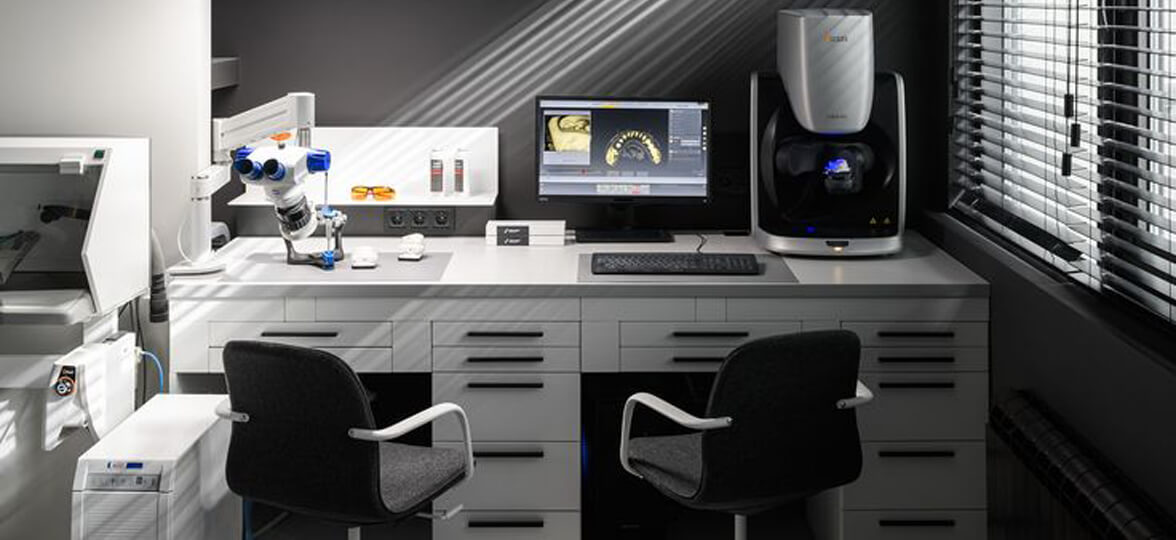
Dental laboratory furniture is not just a matter of aesthetics or functionality, but a key investment to ensure efficiency, quality of work, and the well-being of the technical team. Every element, from worktables to storage systems, plays a crucial role in organizing the space and the laboratory's ability to meet the most demanding standards of hygiene and precision.
Designing a functional laboratory doesn't simply mean filling it with furniture, but creating an environment where every detail is considered to optimize workflow, reduce production times, and improve ergonomics. Furthermore, incorporating durable materials, innovative technologies, and a strategic layout can make a significant difference in the productivity and satisfaction of both staff and patients.
Ultimately, a well-designed dental laboratory is a space where technique and comfort come together to achieve excellence. Whether you're planning a new lab or renovating an existing one, dedicating time and resources to selecting the right furniture will be a fundamental step in ensuring long-term success.
We hope you found this post helpful. To stay up-to-date, follow us on our social media channels where we'll share more articles, useful information, offers, and promotions in the dental sector. We look forward to seeing you there!