Sterilisation test for dental clinics

In dentistry, sterilisation controls are essential to guarantee safety and infection prevention for both staff and patients. These controls are carried out through specific tests that verify the effectiveness of the sterilisation processes used in the dental practice. There are several types of sterilisation controls, including:
Physical sterilisation controls: These controls are based on observing the physical parameters of the sterilisation process, such as temperature, pressure and time. The most common physical indicators include thermometers, pressure gauges and timers, which record and verify that the conditions required for proper sterilisation are met.
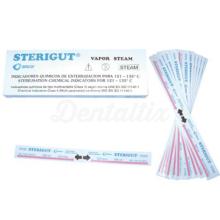
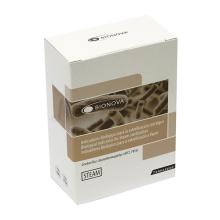
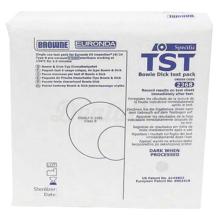
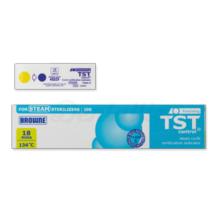
Chemical sterilisation controls: These controls involve the use of chemical indicators to verify adequate exposure to sterilising agents, such as steam, gas or dry heat. These indicators change colour when exposed to certain parameters, indicating that the sterilisation cycle has been completed.
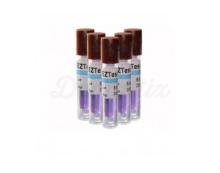
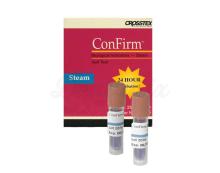
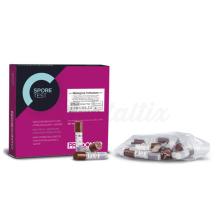
Biological sterilisation controls: Also known as biological indicators, these are the most rigorous and reliable. These controls use living organisms, such as bacterial spores, to verify the actual effectiveness of the sterilisation process. After exposure to the sterilising agent, the spores are cultured to check whether they have been eliminated.
Sterilisation controls are essential to ensure that the instruments and equipment used in the dental practice are completely sterilised and free of pathogenic micro-organisms. It is important to carry out these controls regularly and document the results in order to comply with safety and quality standards in dental care.
At Dentaltix we offer a range of sterilisation controls to guarantee the safety of your dental clinic and laboratory.
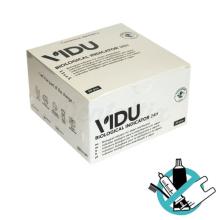
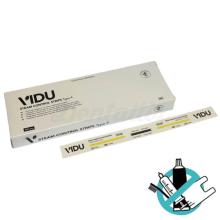
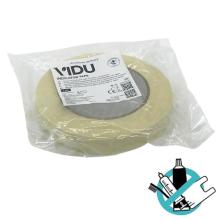
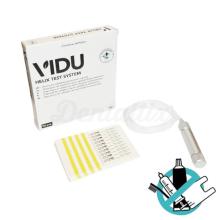
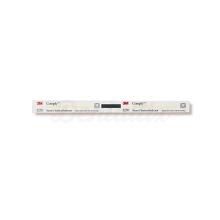
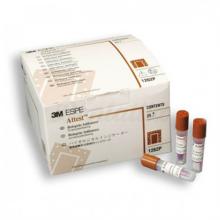
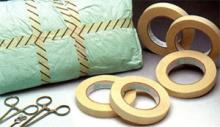

Comply Sterigage: Biological Indicator for Sterilisation Control (100 pcs)
€64.14 €44.90
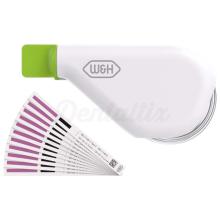
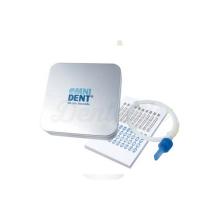
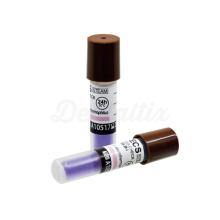
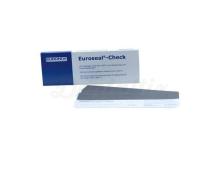
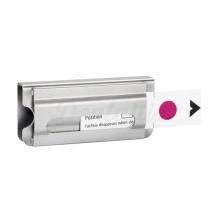

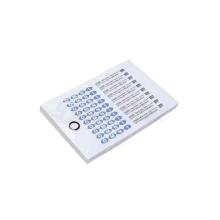
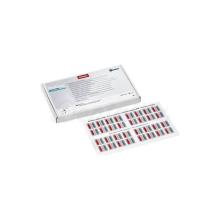
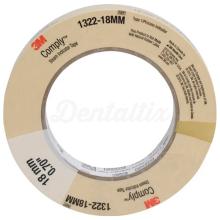
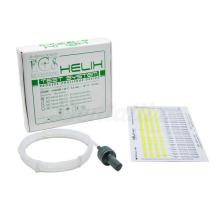
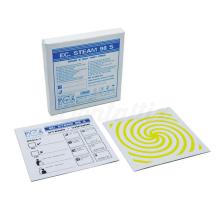

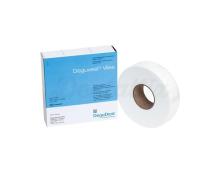


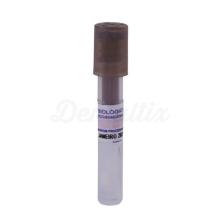
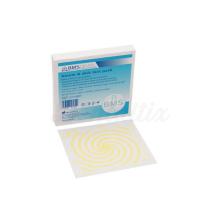
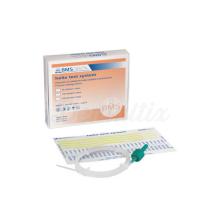
Comply Sterigage: Biological Indicator for Sterilisation Control (100 pcs)
€64.14 €44.90