Bruxism, whether in the form of clenching or grinding, represents one of the greatest challenges when planning posterior restorations. The excessive forces it generates can compromise both the tooth structure and the longevity of any restoration. Therefore, the clinical approach must integrate resistant materials, conservative techniques, and long-term protection strategies.
Let's analyze the challenges of bruxism, the most appropriate restorative options, and comprehensive management to ensure treatment durability.
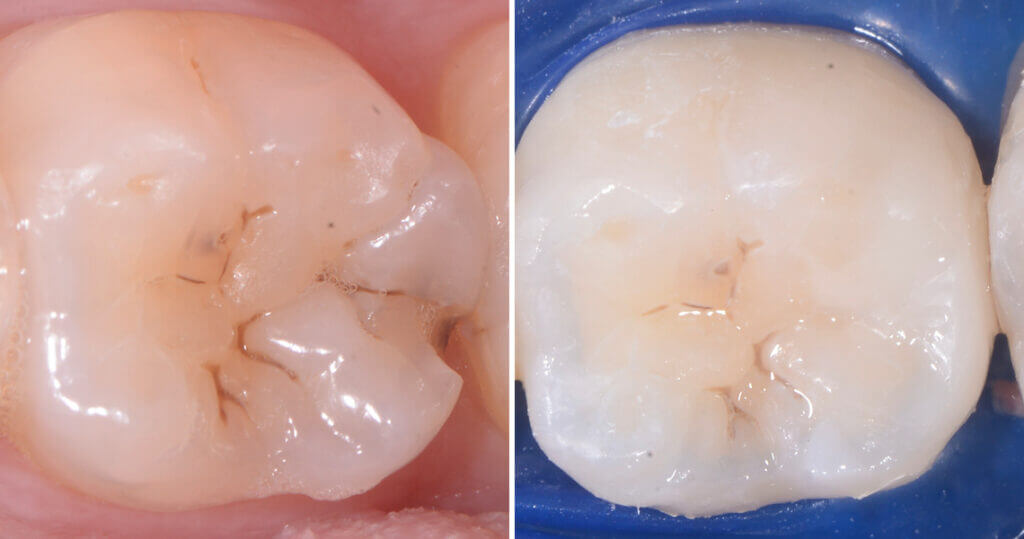
What are the challenges presented by bruxism?
Bruxism produces occlusal loads far exceeding normal levels, capable of causing cusp fractures, chipping, and microleakage. These forces generate fatigue in both the tooth structure and restorative materials, especially in premolars and molars, which are areas of maximum functional load.
Furthermore, it alters occlusal dynamics, causing forced eccentric contacts and localized overloads that can lead to the failure of even technically correct restorations. Moreover, it is a chronic or cyclical habit, the intensity of which can vary depending on factors such as stress, sleep disorders, or parafunctional habits.
Overall, this necessitates planning restorations that can withstand extreme forces, allow for future repairs, and maintain their integrity under adverse biomechanical conditions.
Restorative Options for Patients with Bruxism
Choosing the appropriate restoration for patients with bruxism requires careful analysis of wear, occlusion, and the amount of remaining tooth structure. There is no single solution: each material offers specific advantages depending on the degree of structural compromise and the magnitude of parafunctional forces. Generally, a balance is sought between mechanical strength, tissue preservation, and the possibility of future repair, considering that these patients are exposed to a constant risk of microfractures and accelerated wear.
- Resin Composites: Modern composites, especially those designed to withstand occlusal forces and minimize polymerization shrinkage, are a conservative alternative for mild to moderate bruxism. Their main advantage is their repair capacity, essential in cases where wear or microfracture may occur frequently. They allow for a minimally invasive approach, absorb some of the functional stress, and maintain the option of incremental interventions without sacrificing healthy tissue.
- Ceramic Restorations: Used in more advanced wear or when occlusal anatomy has been lost, indirect ceramic restorations provide greater rigidity, stability, and durability. Reinforced ceramics, or even zirconia in cases of extreme loading, allow for the restoration of anatomy, improved force distribution, and a stable marginal fit. The design should be as conservative as possible, prioritizing the preservation of healthy cusps and avoiding excessive reductions.
- Occlusal Veneers: Ceramic occlusal veneers have become an ideal alternative in cases of generalized occlusal wear. They are minimally invasive, allow for the restoration of vertical dimension, and maintain excellent esthetics without resorting to aggressive preparations. They are especially useful in rehabilitation therapies for bruxism patients, always accompanied by a night guard and periodic checkups.
Future Bruxism Control
The success of any restoration in a patient with bruxism depends largely on long-term control of the habit. It is not enough to restore form and function; it is essential to protect the restorations from parafunctional forces.
The use of occlusal splints (mainly night splints) is essential. These splints distribute the load, reduce muscle activity, and act as a protective barrier against wear and fractures.
But in addition to habit control, the use of state-of-the-art restorative materials is part of the future prevention strategy.
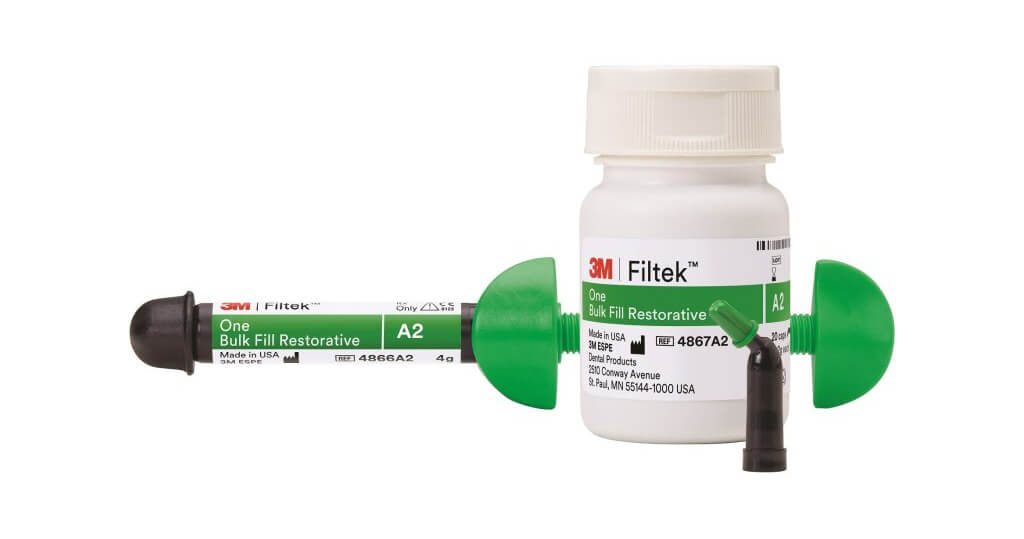
In posterior restorations, advanced composites such as Filtek Bulk Fill from Solventum (3M Health Care) have proven particularly useful, since:- They reduce polymerization shrinkage.
- They minimize internal stress during curing.
- They offer excellent wear resistance.
- They allow for more stable restorations in areas of high occlusal load.
This type of material is beneficial for bruxism patients because it combines durability and repairability, two key requirements for long-term treatments.
It is also essential to periodically check the occlusion, adjust interferences, and adapt the splint when necessary. Controlling factors such as stress, daytime clenching habits, stimulants, or sleep disorders complements clinical treatment and improves the prognosis.
Regular follow-up allows for the detection of microfractures, incipient wear, or changes in the bruxism pattern, facilitating early interventions that prolong the lifespan of the restorations.
Restoring posterior teeth in patients with bruxism requires a comprehensive and highly planned approach. The excessive forces of the habit demand strong materials, conservative techniques, and restorations designed to withstand extreme loads.
Restorative options (composites, ceramics, and occlusal veneers) should be selected based on the severity of wear and the amount of remaining tooth structure. Materials like Filtek Bulk Fill offer added value due to their strength and performance under shrinkage stress.
Without proper bruxism control, no restoration will last. The combination of a splint, occlusal examination, patient education, and continuous follow-up is key to achieving aesthetic, functional, and long-term stable restorations.
That's all for today's article! We hope you found it helpful, and if you liked it, please feel free to share it. Follow us on our social media channels to stay up-to-date on all the latest news in the dental sector and our special offers. See you soon!